What chiropractic actually does and why the body answers.
Chiropractic care is a neurological intervention delivered through a mechanical door.
Below: the mechanism, the biology, and the manual therapies paired alongside it.
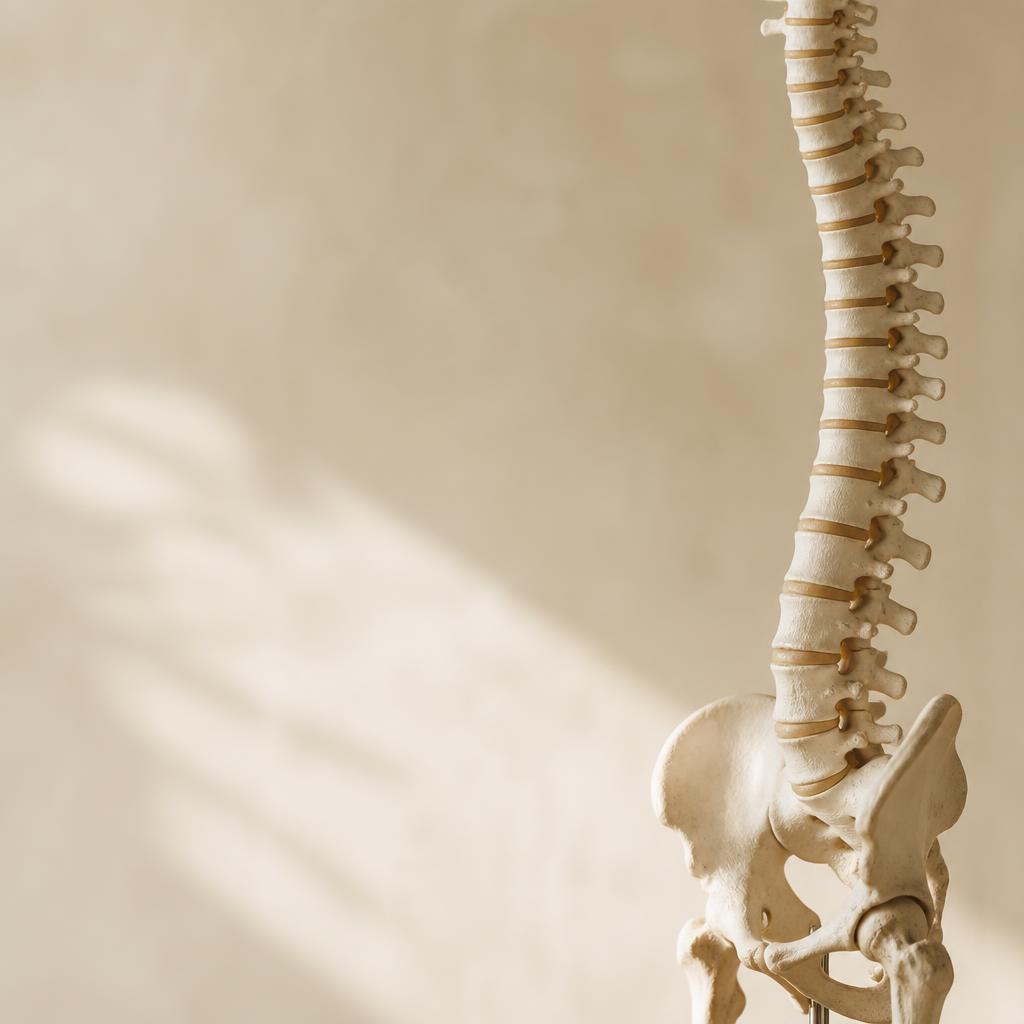
What an Adjustment Is
A precise, high-velocity, low-amplitude input delivered to a restricted spinal joint. Not a crack, but a calibrated force that restores motion where the joint had stopped moving.
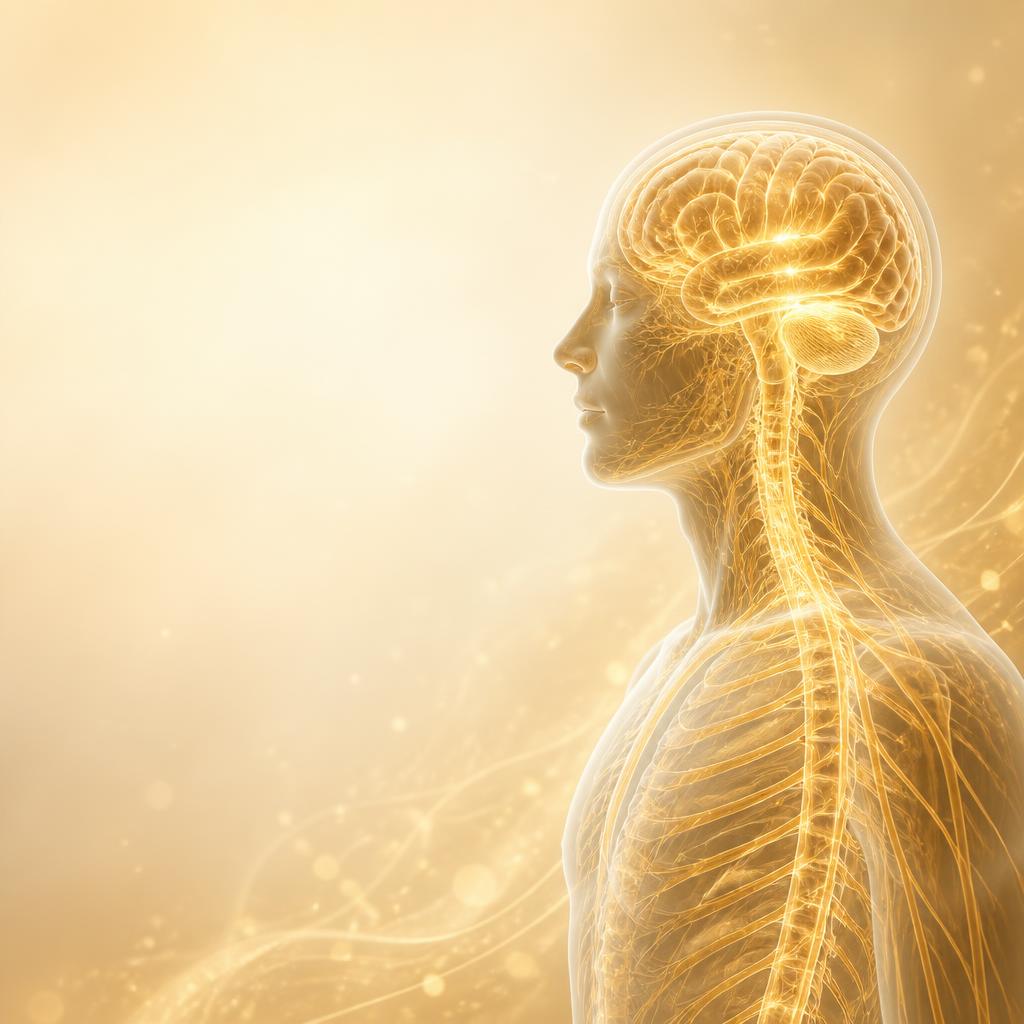
How It Works — Neurology
The joint capsule is dense with mechanoreceptors. Restoring motion can flood the spinal cord and cerebellum with proprioceptive input, down-regulating nociception and helping reset protective muscle guarding within moments.

Why It Works — Cellular
Motion is nutrition. Movement drives synovial fluid through avascular cartilage and discs, helps quiet inflammatory signalling, and supports a shift from sympathetic guard toward parasympathetic repair, where tissue is best positioned to heal.

Beyond the Joint
Spinal nerves follow mapped pathways to the rest of the body, known as dermatomes. That is why a restriction at one level can be felt somewhere else entirely, not just at the joint itself. Care aimed at one segment considers where else that signal travels, not just where it hurts.

Soft Tissue & Myofascial Release
Trigger point therapy and manual soft tissue release target the taut bands and adhesions that restrict how muscle and fascia glide and move, which the adjustment alone doesn't reach.

Cupping & IASTM
Myofascial decompression and instrument-assisted soft tissue mobilization increase local circulation, support collagen remodelling in restricted tissue, and help restore glide between fascial layers.

“All parts of the body which have a function, if used in moderation and exercised in labors in which each is accustomed, become thereby healthy, well developed and age more slowly, but if unused they become liable to disease, defective in growth and age quickly.”
— Hippocrates